
Articles / Payment terms / 21 Sep 2026 / 5 min read
Should you accept 30/70 payment terms with a Chinese supplier?
Usually, yes—but only when the milestones are written down. Treat 30% as authorization to start production, not payment for a promise. Release the 70% only after the finished order passes a pre-shipment inspection against the approved sample and written specification. The percentage does not protect you; the evidence and release conditions do.

Buyers repeatedly ask the same question in sourcing communities: “The sample looks good—should I now send the large payment?” The replies vary between 30/70, 50/50 and platform escrow. That disagreement is useful. It shows that 30/70 is a commercial arrangement, not a universal rule. Your product, supplier history, tooling, lead time and leverage should decide the split.
This guide is for a first or early bulk order placed directly with a Chinese supplier. It is a practical risk-control framework, not legal advice. For regulated goods, custom tooling or a contract large enough to threaten your business, have trade counsel review the purchase contract and ask your bank about documentary payment options.
What 30/70 should mean
A workable version is 30% deposit after the order pack is complete, then 70% after production is complete and inspection passes, but before shipment is released. Every phrase matters. “70% before shipment” by itself is too vague: it can let the supplier demand the balance before you have evidence that the goods are finished or conforming.
| Milestone | What the buyer must have | What the payment unlocks |
|---|---|---|
| Before deposit | Verified supplier identity, approved sample, signed specification, final PI/PO, inspection clause | Nothing yet |
| 30% deposit | Correct beneficiary re-confirmed through a known channel | Materials, production slot and agreed tooling work |
| Before balance | Completed production, passed inspection report, defect closure evidence, packing list and shipment details | Release of the finished goods |
| 70% balance | Written acceptance or a documented corrective-action result | Supplier hands goods to the agreed carrier |
The percentages can change. The control logic should not: each payment follows objective evidence and buys a clearly defined next step.
Seven conditions to write before paying the deposit
- The exact legal seller and beneficiary. The company on the proforma invoice, contract and bank account should be explainable and consistent. If the supplier asks you to pay a different company or personal account, pause and re-verify rather than accepting a chat explanation.
- The approved reference. Identify the golden sample by date, model, photos or sealed sample number. State that bulk production must match it together with the written specification.
- The specification hierarchy. List material, dimensions and tolerances, color standard, components, labeling, packaging and required test reports. State which document wins if the sample, drawing and message thread conflict.
- The inspection trigger. Define when the supplier must announce completion and provide access. A pre-shipment inspection normally belongs after production is complete and before the balance is released—not after the goods are already moving.
- Pass/fail criteria. Name the sampling plan if used, critical/major/minor defect limits, functional tests and packaging checks. “Good quality” is not an inspection standard.
- Correction mechanics. Say who pays for sorting, rework and reinspection when the order fails, and how quickly corrections must be completed.
- Shipment release. State that goods cannot be handed over, substituted or shipped before written buyer approval and receipt of the agreed balance.
If these points are not settled, stop refining the payment percentage and fix the order pack. Our factory audit checklist covers the supplier evidence to gather before the deposit.
Do not confuse Incoterms with payment protection
FOB, FCA, DAP and DDP do not tell you when to send the deposit or balance. The ICC's Incoterms® 2020 rules define delivery tasks, costs and risk allocation between seller and buyer. Your contract must separately state the payment method, timing, milestones and remedies.
This distinction prevents a common mistake: accepting “30% deposit, 70% before shipment, DDP” as if DDP secures the money. DDP describes delivery obligations. It does not prove the goods match the sample, turn a bank transfer into escrow or give the buyer an automatic refund.
When 30/70 by bank transfer is the wrong tool
The U.S. International Trade Administration's official overview of international payment methods describes the risk trade-off among cash in advance, letters of credit, documentary collections, open account and consignment. Cash in advance lowers the exporter's non-payment risk; open-account terms shift more risk toward the exporter. A 30/70 transfer sits inside that negotiation—it is not a separate protected method.
| Situation | Ask about | Why |
|---|---|---|
| New supplier; order is material to your business | Smaller deposit, escrow/platform milestone, or letter of credit | Reduces unsecured exposure before performance is proven |
| Custom tooling has genuine upfront cost | Separate tooling milestone with ownership and acceptance terms | Stops mold cost from being hidden inside an undefined deposit |
| Supplier has a proven history and strong leverage | 30/70 with inspection release, then negotiate better terms over time | Balances production cash flow with evidence before final payment |
| Supplier requests 100% before production | Alternative supplier or bank-supported method | You lose almost all payment leverage before any bulk evidence exists |
| Supplier offers open account after shipment | Accept if documents, acceptance and dispute terms are clear | Buyer cash-flow risk is lower, but operational terms still matter |
Letters of credit are not automatically cheaper or simpler: banks examine documents, fees apply, and poorly drafted conditions can create discrepancies. Use them when the transaction size and risk justify the administration. Ask your bank for transaction-specific advice rather than copying terms from another buyer.
The balance-release inspection
A balance-linked inspection must answer one narrow question: does the completed, identifiable order conform to the agreed standard closely enough to accept? It should confirm quantity, workmanship, measurements, function, labeling, packaging and carton marks as relevant to the product.
Require the report to identify the factory, product, PO, available quantity, sample size, defects and photographs. If the lot fails, do not solve the issue with a verbal promise. Require corrective action, evidence and—when the failure is material—reinspection. Our guide to pre-shipment inspection in China explains what the report should contain and when the check belongs in production.
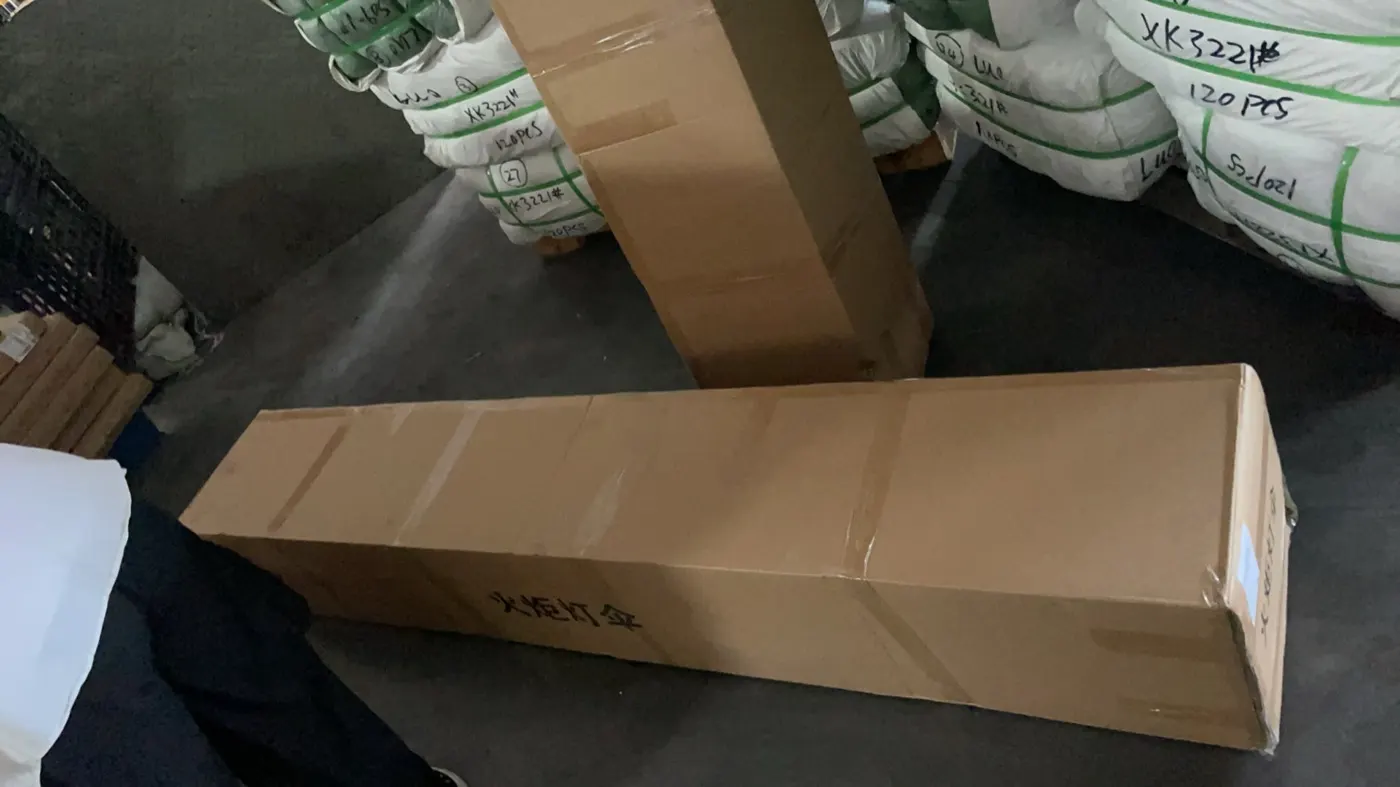
A copy-ready payment clause checklist
- Deposit: [30%] after both parties approve the PI/PO, specification and golden sample.
- Production notice: supplier provides written notice when 100% is complete and available for inspection.
- Inspection: buyer may appoint an independent inspector before balance payment.
- Acceptance: balance becomes due only after a passing report or written acceptance of completed corrective action.
- Failure: supplier corrects non-conformity and bears agreed rework and reinspection costs where the failure is attributable to production.
- Shipment: no release to a carrier before written approval and receipt of the agreed balance.
- Bank changes: any beneficiary change requires independent re-verification through previously confirmed contact details.
Have counsel adapt the wording to your governing law and dispute process. The useful part is not legal-sounding language; it is making every release condition observable before money moves.
Bottom line
Accept 30/70 when the supplier is verified, the order standard is frozen, and the 70% is contractually tied to completed production plus a passed inspection. Renegotiate—or change the payment method—when the supplier wants the balance before evidence, changes the beneficiary unexpectedly, blocks inspection or refuses objective acceptance criteria.