Articles / Quality control / 28 Sep 2026 / 5 min read
Pre-shipment inspection in China: what actually gets checked before your goods ship
A pre-shipment inspection is the last look at your goods before the balance payment leaves your account. Here is exactly what an inspector does on the factory floor, how the sampling math works, and the failure modes a PSI will — and will not — catch.
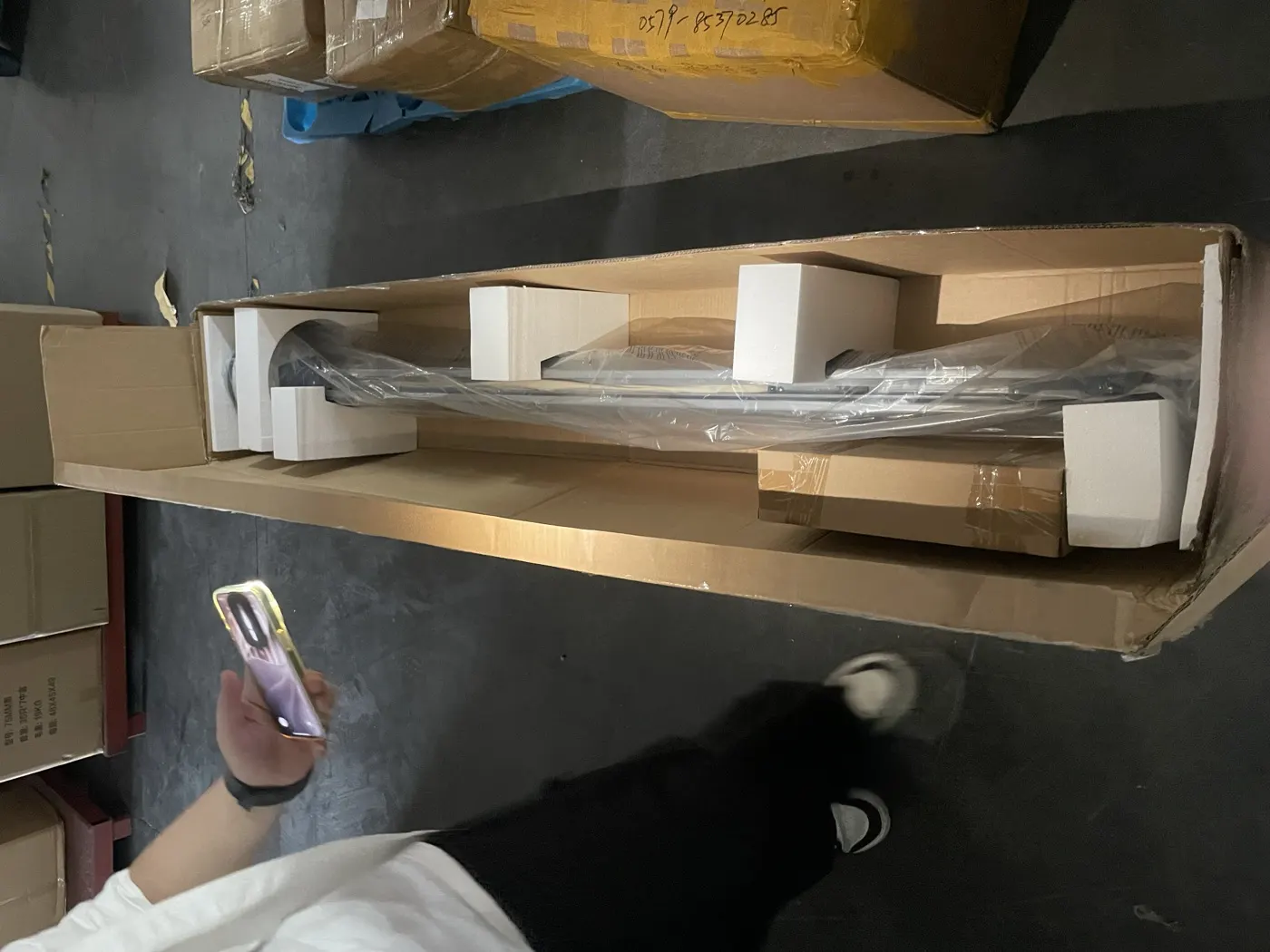
By the time a pre-shipment inspection (PSI) happens, you have already spent the deposit, production is finished and the factory wants the balance wired so the goods can leave. That timing is the whole point: the PSI is your last moment of leverage. Once the container is on the water, a defect stops being a problem the factory fixes and becomes a cost you absorb. This is what actually happens during one.
What a pre-shipment inspection covers
A standard PSI checks five things, in roughly this order:
- Quantity. Counting cartons against the packing list. It sounds trivial; it is where a surprising share of problems hide — short-shipped quantities, extra cartons nobody declared, mixed SKUs in the same stack.
- Workmanship. The inspector pulls a random sample of units and grades every defect found (scratches, stitching, color bleed, molding marks) as critical, major or minor against a defined AQL level.
- Function and safety. Working units get powered on and used: switches, stitches pulled, batteries installed, plugs fitted to the destination market's socket. Electronics also get a hi-pot or grounding check where applicable.
- Spec compliance. Measurements against the approved golden sample: dimensions, weight, materials, colors checked under standardized lighting, barcode scans, label language.
- Packaging and marking. Carton drop-test evidence, shipping marks, inner-box labeling, and whether the packing actually protects the product the way the carton design promised.
The output is a written report with photos of every finding — pass or fail, with the defect list attached. For a realistic look at how inspection fits into the wider sequence, see our factory audit checklist, which covers the step that happens before you ever place the order.
How sampling works — the AQL math nobody explains
Nobody inspects 100% of an order. Inspectors use the ANSI/ASQ Z1.4 (formerly AQL) sampling standard: for an order of, say, 5,000 units at general inspection level II, the code letter lands around sample size 200 units. You then set acceptance numbers — a common retail setting is AQL 2.5 for major defects and 4.0 for minor defects — which means the lot passes if major defects stay at or below roughly 10 units in that 200-unit sample.
Two consequences buyers should understand before arguing about the report:
- A pass is probabilistic. AQL 2.5 means up to ~2.5% major defects can exist and the lot still passes. If your product has a safety-critical failure mode, you need AQL 1.0 or tighter — or 100% functional testing — not the default level.
- Critical defects are zero-tolerance at any level: a sharp edge, a missing fuse, wrong voltage plug. One critical defect fails the lot.
Set your AQL levels and the golden sample before production, in writing. Deciding tolerance after seeing the report is how arguments start — and factories know that whoever defines "acceptable" in advance usually wins it.
When the inspection should happen
| Timing | Name | What it is for |
|---|---|---|
| 20–30% produced | During-production (DUPRO) | Catches systemic problems early enough to fix the remaining 70% of the run. The cheapest mistake-correction point in the whole chain. |
| 100% produced, ≥80% packed | Pre-shipment (PSI) | The standard final check, done before balance payment. This article's subject. |
| Container loading | Container loading supervision | Confirms the cartons that passed inspection are the ones actually sealed into the container. Catches swap-outs and sloppy stuffing. |
For a first order from a new supplier, run all three if the order value justifies it; at minimum, the PSI is non-negotiable.
What a PSI cannot catch
Honest limits, because these are where buyers get burned even after a "passed" inspection:
- What is inside sealed packaging. If 100% of units are retail-sealed at the factory, the inspector samples from sealed units or asks the factory to open a subset. Agree on this in advance.
- Long-term reliability. A PSI proves the units work today. Aging, battery cycles and field failures need lab testing on samples pulled from bulk — not a one-day floor check.
- Materials fraud below the surface. A fabric that looks right can have the wrong fiber blend. If a spec matters, it needs a lab test certificate, not a visual check.
- The container swap. The PSI certifies goods in the factory. What gets loaded into the container later is a separate question — hence loading supervision.
What to do when the inspection fails
A failed report is only useful if you act on it correctly. The sequence to follow:
- Do not pay the balance. The report is your leverage; paying removes it.
- Send the factory the report the same day and demand a written corrective plan with dates: rework, re-sort, or replace, and who pays for the labor.
- Re-inspection before shipment — charged as a re-visit, which is exactly why factories fix things after the first failed report.
- Escalate only what matters. Rejecting a lot over minor defects inside AQL tolerance costs you weeks. Reject over critical and major defects without hesitation; negotiate the rest.
What it costs, and the arithmetic
A one-day PSI in most Chinese manufacturing regions runs roughly US$250–400 all-in — an inspector's day plus travel and the report. Against a typical order value in the five figures, that is 1–3% of the money you are about to release. Compared with the landed cost of a rejected shipment — freight both ways, rework abroad, dead stock, or a refund war — it is the cheapest insurance in the import chain, and unlike most insurance, it pays out in leverage rather than compensation.