
Articles / Supplier verification / 16 Sep 2026 / 4 min read
How to verify a Chinese supplier before your first order
Every buyer has heard the horror story: deposit paid, goods never arrive, and the “factory” was a laptop in an apartment. Verification is not about paranoia — it is a checklist. This is the order to run them in before any first order goes out.
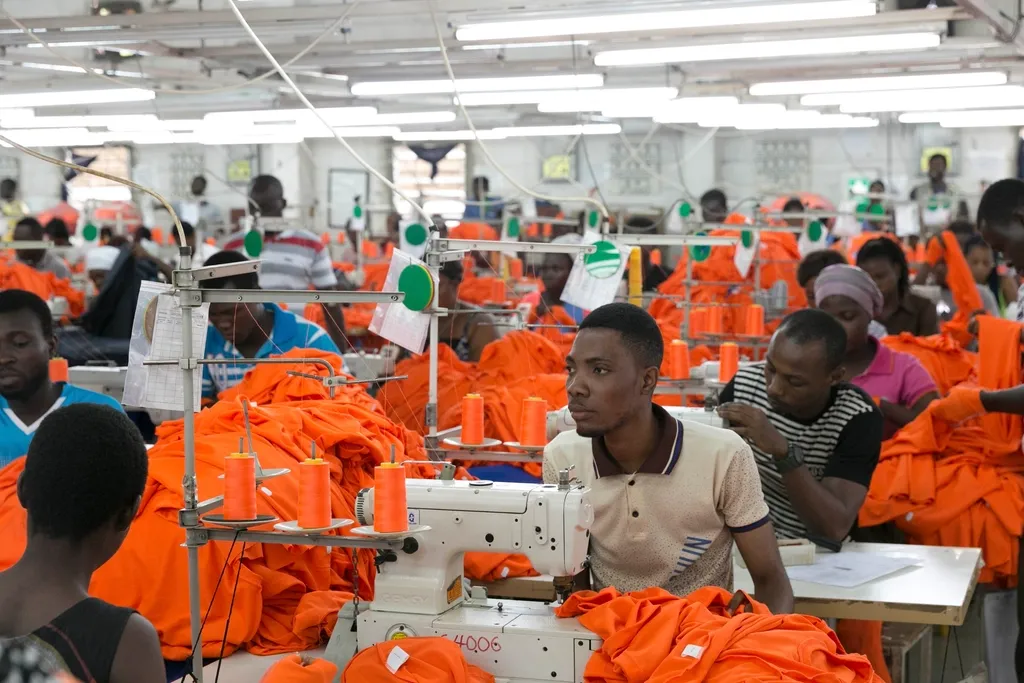
“Supplier verification” sounds like a due-diligence product. In practice it is a sequence of cheap checks, most of them free, that each eliminate a class of risk. Run them in order: cheapest checks first, and stop escalating once the answers stop adding up. The sequence below is the distilled version to run before a first order — the same logic our factory audit checklist applies on site.
Step 1: Know what you are actually talking to
The first thing to establish is not whether the supplier is “real” but what they are. Four types answer your inquiry:
- Direct factory — manufactures the product itself. Best price on its own products, weakest at anything outside its line.
- Trading company — buys from factories, adds margin, adds service. Often better communication and wider range; 5–15% more expensive.
- Hybrid — a factory that also trades in complementary products. Common and usually fine, but you must know which items it makes and which it resells.
- Middleman with no operation — no factory, no value-add, sometimes no office. This is the one verification exists to catch.
Tells that someone is a trading company or middleman: business scope in the license says “trading”, the company name and the invoice title differ, product photos are watermarked by someone else, or they cannot answer basic process questions (“which machine does the anodizing?”) without going quiet for a day. None of these are disqualifying by themselves — but they change what you verify next.
Step 2: The free checks (one afternoon, no budget needed)
| Check | Where | What a pass looks like |
|---|---|---|
| Business license | Ask for the 营业执照, then check the unified social credit code on the official registry (gsxt.gov.cn) | Name, legal representative and registered capital match what you were told. Registered capital is real, not “subscribed 10 million” fiction. |
| Business scope & age | Same license | Scope covers manufacturing or the products you buy. At least 3–5 years old; a company registered last month quoting you a full catalog is a red flag. |
| Export rights | Customs registration / ask for a past bill of lading | Either they export directly, or they are honest about using an export agent. Both are workable; hiding it is not. |
| Certificates | Certificate number → issuing body's public database (e.g. TÜV, SGS, Intertek) | The certificate exists, is in date, and is issued to their company name — not a factory they “work with”. |
| Digital footprint | Maps, satellite view, Alibaba/official site history, Chinese social media | The address on the license shows an industrial building on satellite imagery, not a residential tower. Website older than a year, consistent company name everywhere. |
Step 3: Verify the product, not just the company
A legitimate company can still be wrong for your order. Before money moves:
- Ask for the golden sample route. Who makes the sample — them or their supplier? A trading company that discloses its factory and arranges the sample honestly is worth more than a “factory” that cannot produce one.
- Ask process questions a reseller cannot answer. Tolerance capability, mold ownership, which steps are outsourced. You are not testing their engineering — you are testing whether the voice on the phone sits near the machines.
- Check the payment account name. The bank account must match the company on the proforma invoice. “Pay my colleague's personal account” is the classic endgame of every verification failure story. Never do it, whatever the discount.
Step 4: When to escalate to an on-site audit
Free checks catch the fake companies. They do not tell you whether the real factory can hold your tolerance, keep its workshop clean, or has QC staff that actually measure anything. Escalate to an on-site factory audit when any of these is true:
- The order value or annual volume is meaningful — as a rule of thumb, above roughly US$10,000, or anything recurring.
- The product is regulated or safety-relevant (children's items, electricals, anything touching food).
- The supplier passed the desk checks but something felt off — inconsistent answers, pressure to skip the sample stage, unusual payment requests.
An audit costs a few hundred dollars. Set against a deposit of thousands, the arithmetic is the same one we walk through in how much a factory audit costs — it is the cheapest insurance in the whole chain.
What a China-based partner can add
Doing this from abroad, every check is a screenshot and a hopeful translation. A China-based partner can take it further by arranging a third-party visit: checking the license at the actual office, matching the invoice title to the tax registration, and watching the QC station work. That is the difference a local partner buys you — not a secret database, just the ability to check things where they are true.
Before your first order: run the free checks in Step 2 yourself, get a golden sample approved against a written spec, and keep the payment account name rule absolute. If the volume justifies it, put an audit on the factory first — our factory audit checklist lists exactly what gets checked. And if you would rather have someone local arrange the checks, send us the supplier's details — a verification pass takes days, not weeks.